
Police Powers in Cases of Illegal Occupation of House or Land: In Context of BNS 2023 with Decided Cases
Hey there! Today, let’s talk about a topic that affects many people – illegal occupation of house or land. If someone takes over your property without permission, what can the police do? And how much? We’ll look at this under the Bharatiya Nyaya Sanhita 2023 (BNS), which replaced the old IPC from July 1, 2024. I’ll explain with some old and recent court cases. Remember, this is general info, not legal advice, talk to a lawyer for your case.
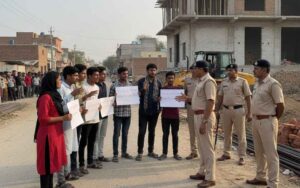
What is BNS 2023 and Its Link to Illegal Occupation?
BNS 2023 is India’s new criminal code that defines crimes. Illegal occupation mainly falls under criminal trespass in section 329. Trespass means entering or staying on someone’s property without permission, but that’s not enough. There must be intent – like to commit a crime, intimidate, insult, or annoy the person in possession.
- Criminal trespass (section 329(1) and (3)): Entering or staying with bad intent. Punishment: Up to 3 months jail, or ₹5,000 fine, or both.
- House-trespass (section 329(2) and (4)): If it happens in a home, tent, vessel for living, place of worship, or property storage. Punishment: Up to 1 year jail, or ₹5,000 fine, or both.
- Other forms: If at night while hiding (lurking house-trespass, section 330), or by breaking in (house-breaking, section 331), punishment can be 2 to 14 years if intent involves theft or hurt.
Key point: Just occupying isn’t always criminal if intent isn’t proved. Often, it’s a civil matter, needing eviction order from court.
Read More…
- Uttar Pradesh Building Construction and Development By-Laws 2025
- Laws Governing the Sale of Land by Scheduled Caste Landowners to General Category in Uttar Pradesh
- Understanding Section 80 (Section 143) of the Uttar Pradesh Revenue Code, 2006
- Succession Laws in Uttar Pradesh
- 12 Years of Possession (Adverse Possession) and the Property is Yours? The Complete Story of the Limitation Act and Supreme Court Rulings!
- Succession Laws in Uttar Pradesh
What Are Police Powers?
Police powers come mainly from Bharatiya Nagarik Suraksha Sanhita 2023 (BNSS), which replaced the old CrPC. BNS defines crimes, BNSS tells what police can do. In illegal occupation cases:
- Register FIR: If complaint shows criminal intent, police can register FIR. It’s a cognizable offence, meaning arrest without warrant possible.
- Investigate: Police can question witnesses, visit site (BNSS section 176). Seize suspicious property if needed (BNSS section 102).
- Arrest: If serious, like with hurt or theft. But not just for simple encroachment – that’s often revenue department’s job, like under state revenue codes.
- Limits: Police can’t treat every encroachment as criminal. If no intent, case can be quashed. Police work under senior officers (BNSS section 30). They can seek public help (sections 31-32).
Up to 2025, BNSS gives more powers for property seizure, but courts are strict on misuse.
Understand from Court Cases
Many cases show police power depends on intent. Here are some key ones:
- Mathuri and Ors. v. State of Punjab (1964): Supreme Court said if landlords enter with expired warrant to take possession, intent isn’t to annoy, so no criminal trespass. Police FIR was wrong, but court reduced sentence. This still applies under BNS 329 – intent is must.
- Rajinder & Ors. v. State of Haryana (1995): In land dispute, entry without intent to annoy wasn’t trespass. Court kept murder conviction but dropped trespass part. Police must prove intent.
- Krishna Bahadur v. State of Bihar (1995): Standing on boundary to provoke is trespass. Police can arrest if intent clear.
- Sonu Chaudhary v. State of NCT Delhi (recent Supreme Court): Court said restaurant isn’t house-trespass because not a dwelling place. Police must apply correct section.
These cases show police have strong powers, but courts check intent carefully. BNS 2023 increased fines, but basic rules remain same.
Final Thoughts
In illegal occupation of house or land, police can help if criminal intent exists, like under BNS 329. But most cases are civil, where police assist revenue authorities. Up to 2025, courts stop misuse.
If you’re in this situation, first go to police station for FIR, but confirm with a lawyer.
Any questions in your mind? Let me know!
ब्लॉग कटेगरी: सम्पत्ति | कानून | वास्तुशास्त्र | संपत्ति कर
[Advertisement]


Exclusive Deals
-
Residential Plots Durga Nagar near Tripula Raebareli
₹1,700 -

1500Sf House Tulsi Nagar 2
₹6,100,000 -

House On Manika Cinema Road Raebareli
₹13,500,000 -

Prime Location Villa Raebareli City
₹13,500,000 -
2 Floor House Ali Mia Colony Raebareli
₹5,500,000 -
Residential Plots Bijnor Lucknow-Kanpur Highway
-
Shop Near Railway Station Raebareli
₹1,200,000 -

3.5 Bigha Agriculture Land Near Bachhrawan Raebareli
-

Residential Plot, Near Pragatipuram Raebareli
-
1.5 Biswa Residential Plot, Ekta Vihar Raebareli
₹7,200,000 -
2000 Sf Commercial Hall In Rana Nagar Raebareli for Rent
-

4 Acre Factory Raebareli
-

House Near Railway Station
-
2.25 Biswa Home Near Manika Cinema Road
₹12,000,000 -

2.35 Biswa Plot On Lalganj Raebareli NH Near Ataura
₹3,500,000 -
1500 sf Duplex Near Tripula
₹6,500,000